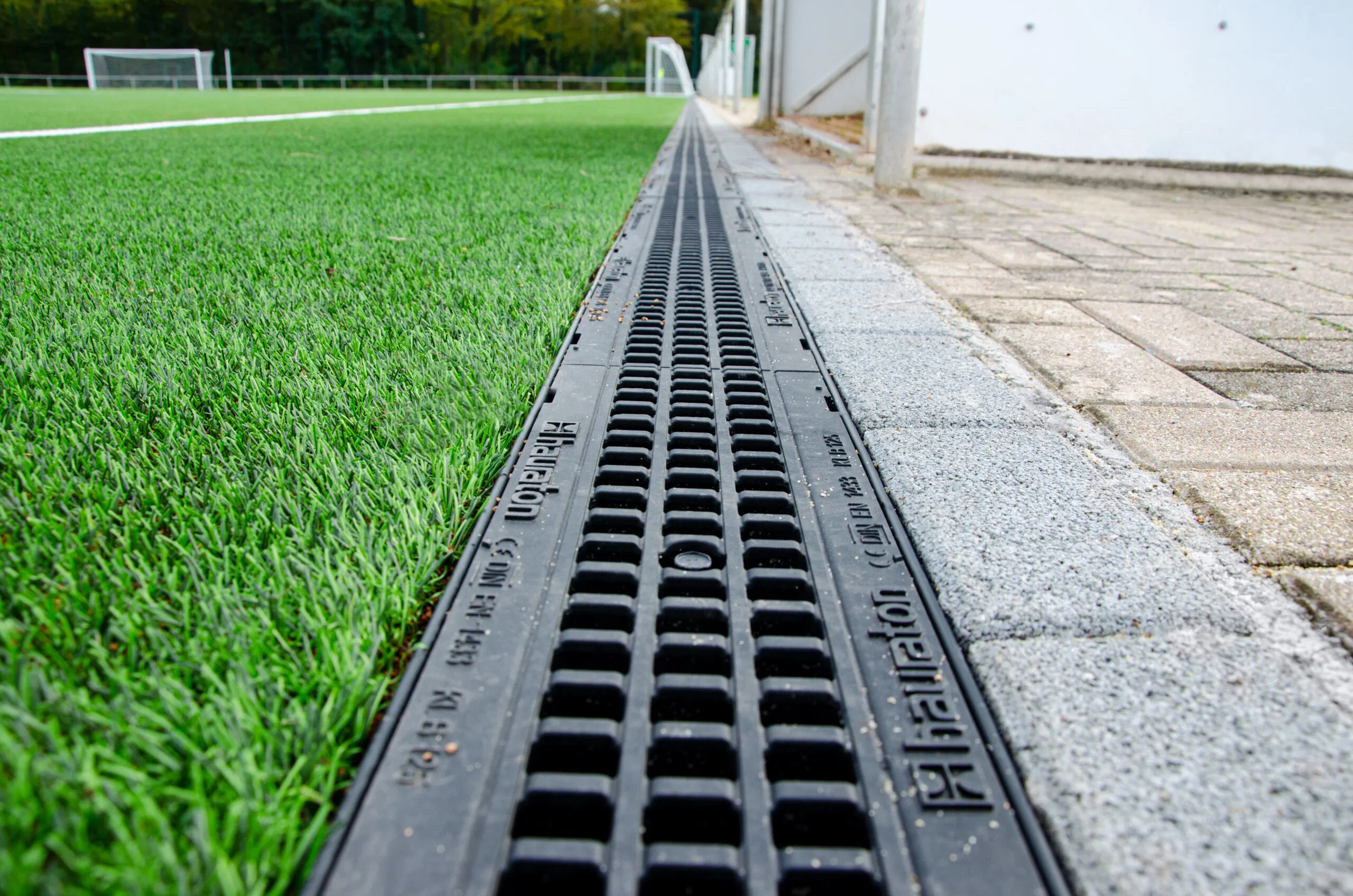
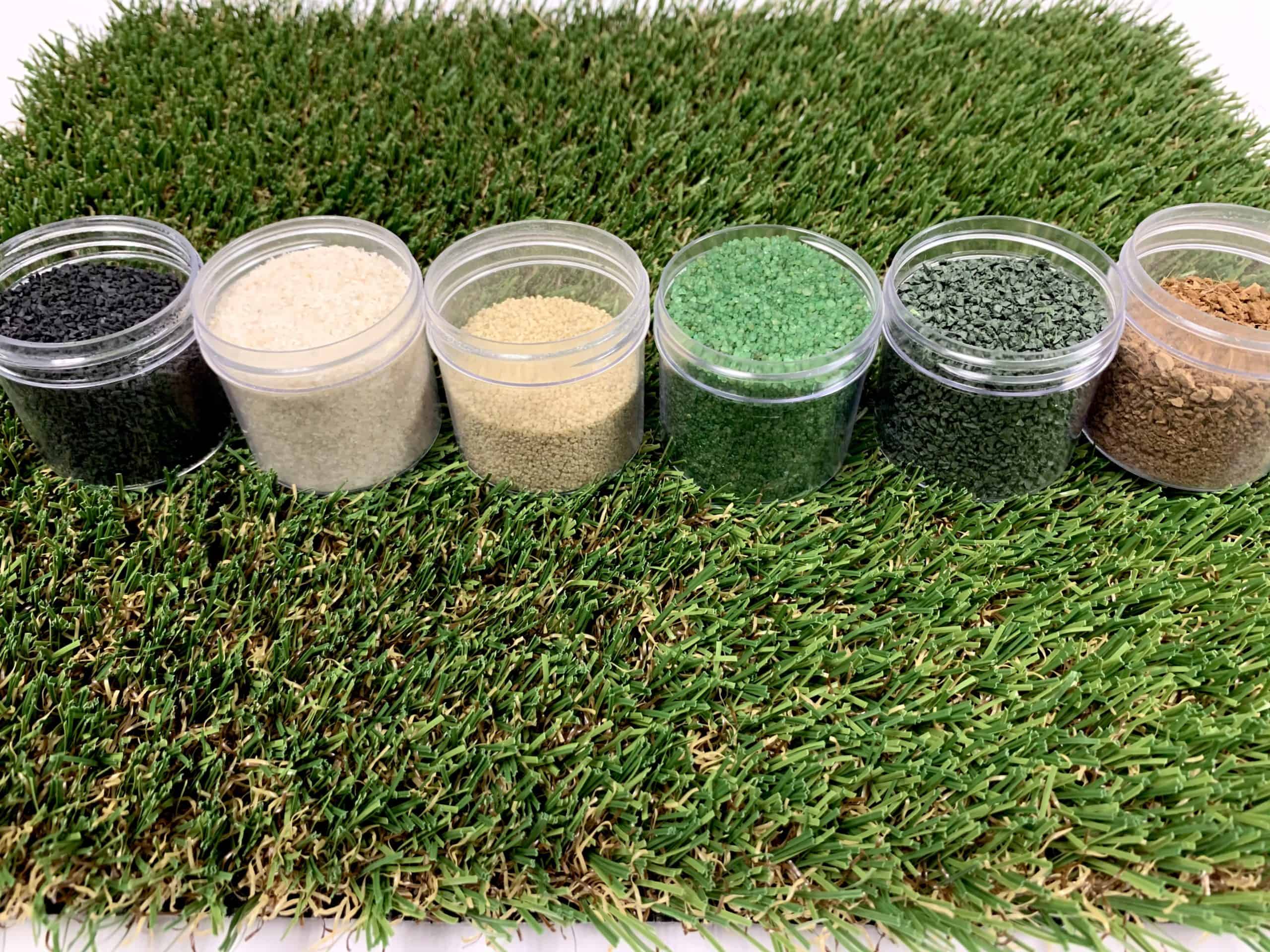
Infill is the invisible performance component in an artificial turf system. It props the blades upright so the surface stays resilient and comfortable. It carries the drainage load so water moves through the turf face into the aggregate base. And in pet turf systems, it is the primary odor and bacteria management layer. When infill depletes or migrates — through rainfall displacement, heavy use compression, or wind movement — turf performance degrades in ways that property owners in the Humble and Lake Houston area often misidentify as turf aging or material failure.
Artificial Turf of Humble provides infill assessment and replenishment services for existing turf installations across the Lake Houston corridor. We distinguish between normal infill depletion that responds to replenishment and more serious system failures that require repair or replacement, and we communicate that distinction clearly before performing any service.
In the San Jacinto watershed, heavy rainfall events are the primary driver of infill migration in residential and commercial turf systems. When a significant storm event moves through Humble or Atascocita, infill can shift downgrade across the turf surface or migrate into perimeter edge zones. Over several such events without remediation, the uphill or primary-traffic areas of a turf installation can become noticeably depleted while the downgrade edge accumulates excess material. Regular infill assessment after significant storm seasons prevents this progressive imbalance from compounding.
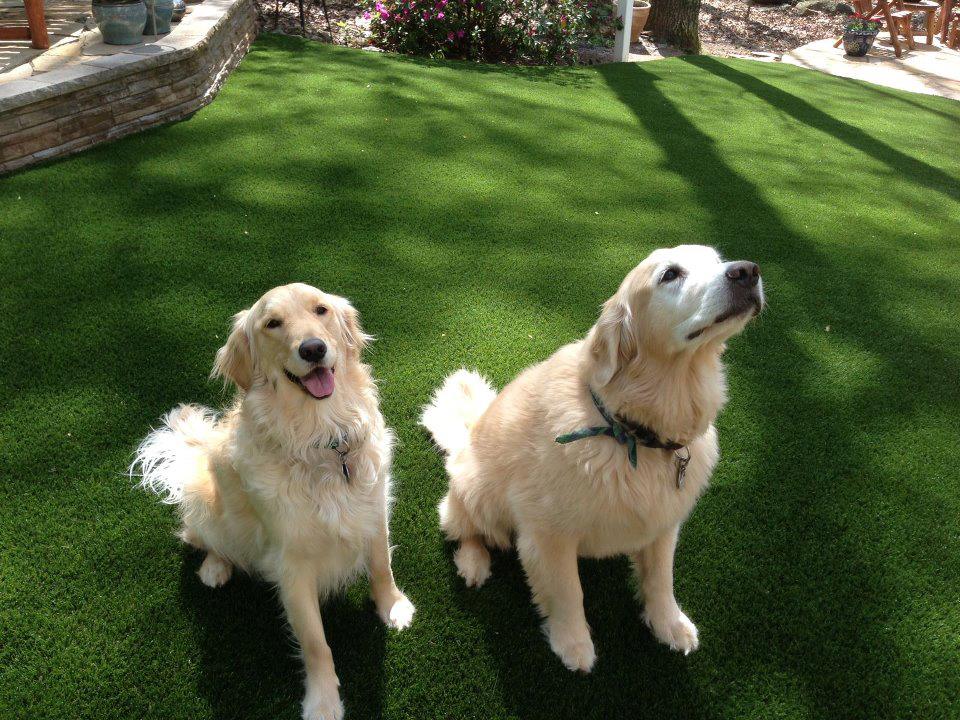
For pet turf installations, infill replenishment serves an additional function: refreshing the antimicrobial and odor-management properties that degrade through sustained use and biological load. Annual infill assessment for pet turf is a routine maintenance recommendation, not an emergency repair indicator.